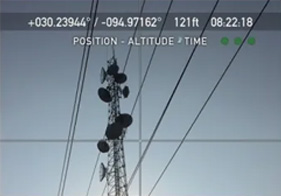

John Hargrove Consulting LLC and Evergreen Technology Solutions work together to help organizations stabilize critical technology now and intentionally design what comes next.
Our focus is practical, field-tested technology for businesses, utilities, public entities, and rural communities that cannot afford guesswork or downtime.

We Fix Technology That Is Not Working
When systems are unreliable, insecure, or poorly documented, we step in to diagnose, correct, and harden them.
Wireless and Network Systems
- Troubleshooting and repair of Wi-Fi networks
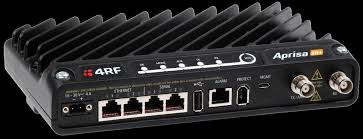
- Commercial wireless point-to-point (PTP) and point-to-multipoint links
- Internal LAN/WAN performance issues and segmentation problems
Cybersecurity and Risk
- Cybersecurity posture assessments
- Identification of operational, policy, and training gaps
- Practical remediation plans aligned with real-world operations

Stabilization and Recovery
- Network clean-up and documentation
- Configuration correction and performance tuning
- Transition from “fragile” systems to reliable, supportable infrastructure
The objective is simple: restore confidence, uptime, and clarity.
We Plan, Design, and Build Technology the Right Way
Beyond repair, we help organizations design systems that scale, comply, and endure.