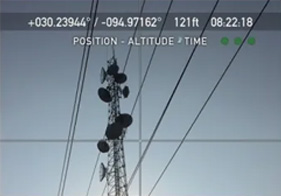
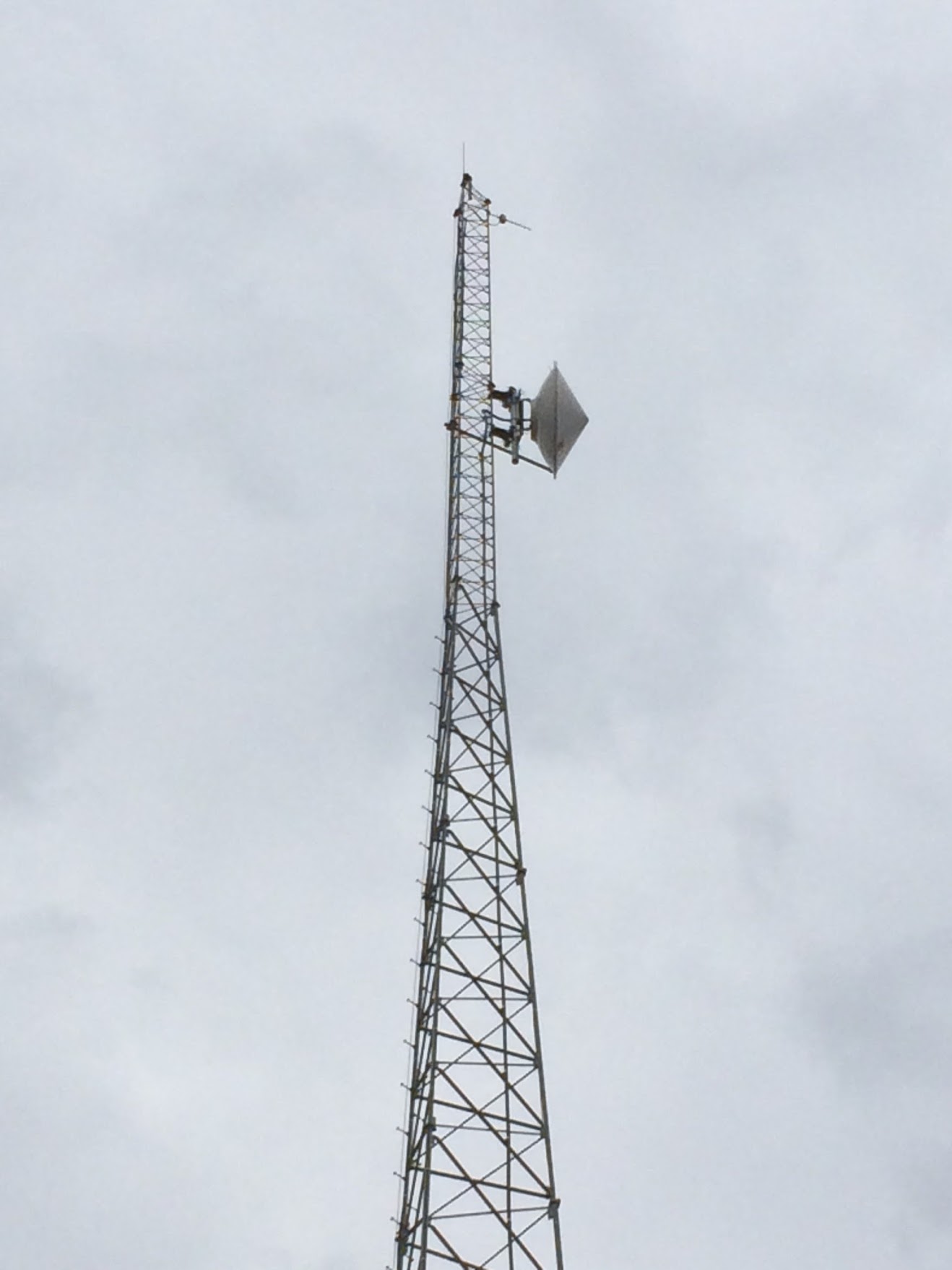
I remember standing out at a metering station back in 2007, somewhere off a caliche road you wouldn’t find unless you already knew where you were going. East Texas co-op site. Quiet place. The kind where you can hear the wind before you see it.

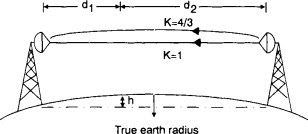
That radio link we were depending on had been put in sometime in the late 90s. I ran the path profile right there in the truck. Same story I’ve seen a hundred times—Fresnel barely clearing, fade margin just enough to make you feel okay until you’re not. A couple of other transmitters on the same tower are already stepping on each other a little.
Nothing broken. Nothing dramatic. Just fragile in a quiet kind of way.

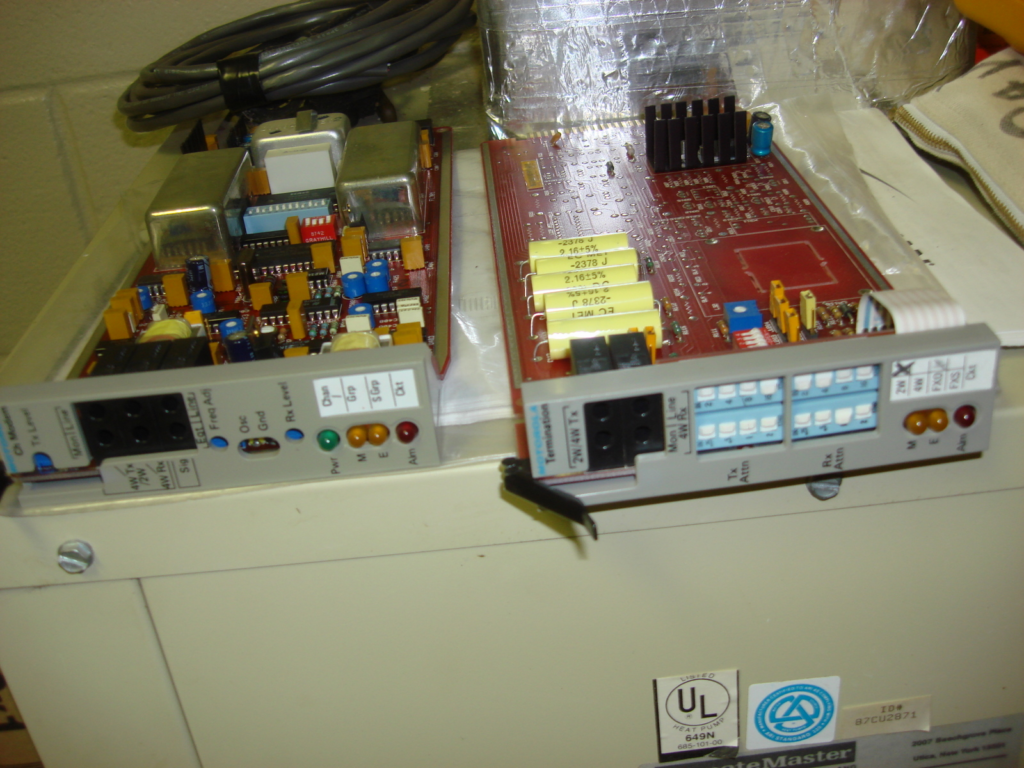
That same setup is still out there today in more places than folks want to admit. Same sub-GHz radios. Same serial cables run through what was supposed to be “temporary.” Same passwords, nobody ever changed. Same remote access tools because the integrator lives two hours away, and the operator’s got another job to get to.
And honestly, that’s not carelessness. That’s reality.
Those systems were built in a world where isolation was the security model. That world’s gone now. But the systems didn’t change with it.
You hear a lot about checklists and compliance and inventory—and they’re not wrong. You do need to know what you’ve got. But the real issue I keep running into isn’t just knowing it exists.
It’s whether it was ever built to handle what it’s actually dealing with.
Weather fade. Trees growing up into your path. Interference from somebody else hanging gear on the same structure. One cable takes the whole system down if it fails.
That’s not cybersecurity. That’s just telling the truth about the system.
And if I’m being honest, that same pattern shows up in life, too.
We’ve got all this technology now that makes it feel like we’re in control. But something underneath is getting thinner. Everything is constant—alerts, messages, noise—and it keeps you in that problem-solving mode all the time. You’re always thinking, always fixing, always responding.
But you’re not really resting and not really connecting. Not really present.
I’ve lived that.
The work itself is good. Keeping water moving. Keeping systems talking and helping communities function. That part matters.
But it can also take more than it’s supposed to.
I’ve had seasons where I carried responsibility like it all depended on me—stayed up too late chasing one more improvement. Pushed through things I should’ve stopped and grieved. Kept quiet when I should’ve said I needed help.
It builds up. Quietly. Faith, at least the way I’ve come to understand it, doesn’t remove that weight. It puts it back where it belongs.
You weren’t meant to carry all of it. You weren’t meant to run without stopping.
You weren’t meant to pretend nothing’s been lost along the way.
There’s a reason Scripture emphasizes rest, sharing burdens, and strength in weakness-these aren’t just ideas, but a divine design for our well-being.
It’s not a theory. Its design.
So now I’m trying—slowly—to live that out.
Do the work right. Engineer it honestly. Document it so the next guy isn’t guessing. Don’t chase every new thing just because it’s new.
But also close the laptop when it’s time. Let the system be what it is for a few hours. Say out loud when something’s heavy instead of burying it. Trust that I’m not the one holding everything together.
That old radio link mindset still sticks with me. You harden what you can. You document it better. You improve it where possible.
But at the end of the day, you’re not the source of the system’s life. You’re just a steward of it.
And that applies just as much to the work as it does to everything else.
So for anybody out there carrying similar weight—
Do the inventory. Fix what you can fix. Write it down so it lasts.
But don’t forget to rest.
Don’t skip the grief.
Don’t try to carry it alone.
There’s more to this than uptime and performance.
The work matters. But it’s not where the meaning comes from.

That part comes from walking it out—steady, faithful, with other people, and under grace.
That’s enough.